Ashwagandha Gummies: What to Know Before You Try Them
What ashwagandha is, what research has explored on stress and sleep, and how to choose a gummy that fits your routine.
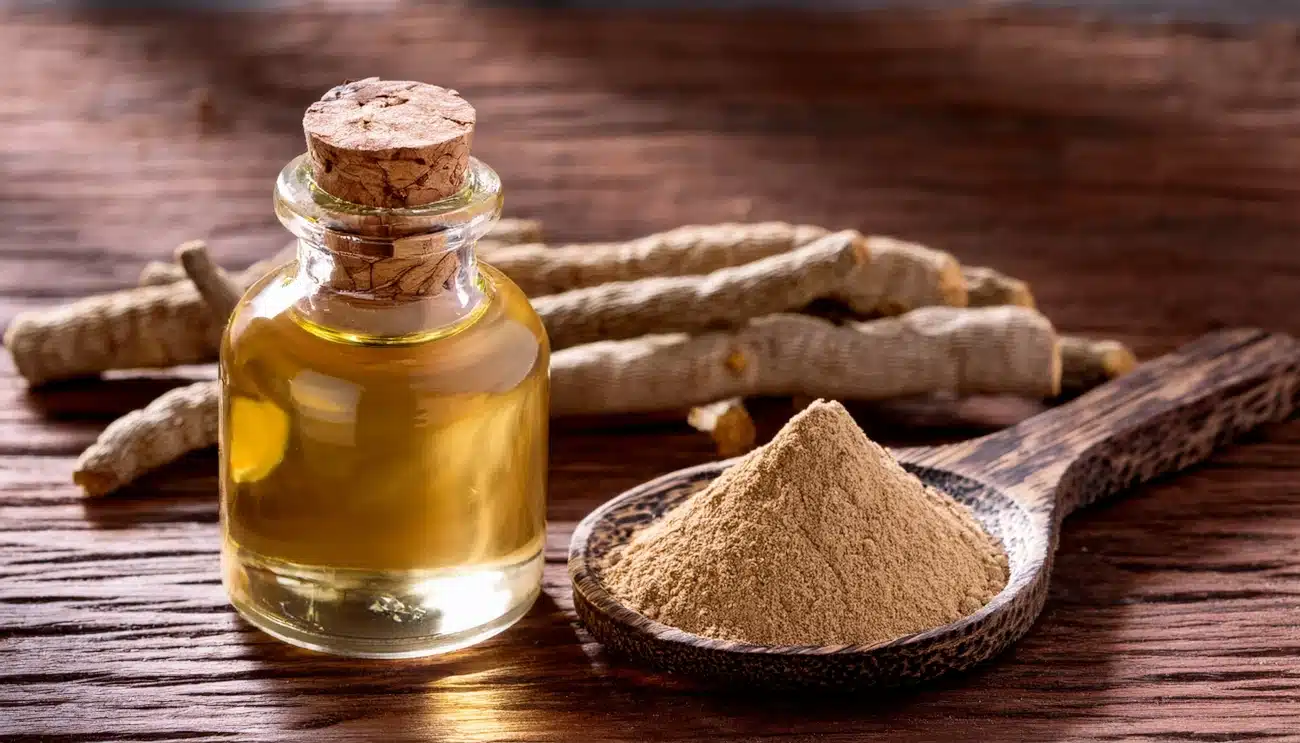
Ashwagandha is a root with centuries of use in traditional Indian practice, and it has become a familiar name on supplement shelves. Gummies are one of the easiest ways to take it: no capsules to swallow and no earthy powder to stir into a drink, just a fruit-flavored chew you can keep on the counter.
Here is what to know before you try them: where ashwagandha comes from, what the research actually found, how gummies compare to other formats, and what to look for on the label.
What Is Ashwagandha?
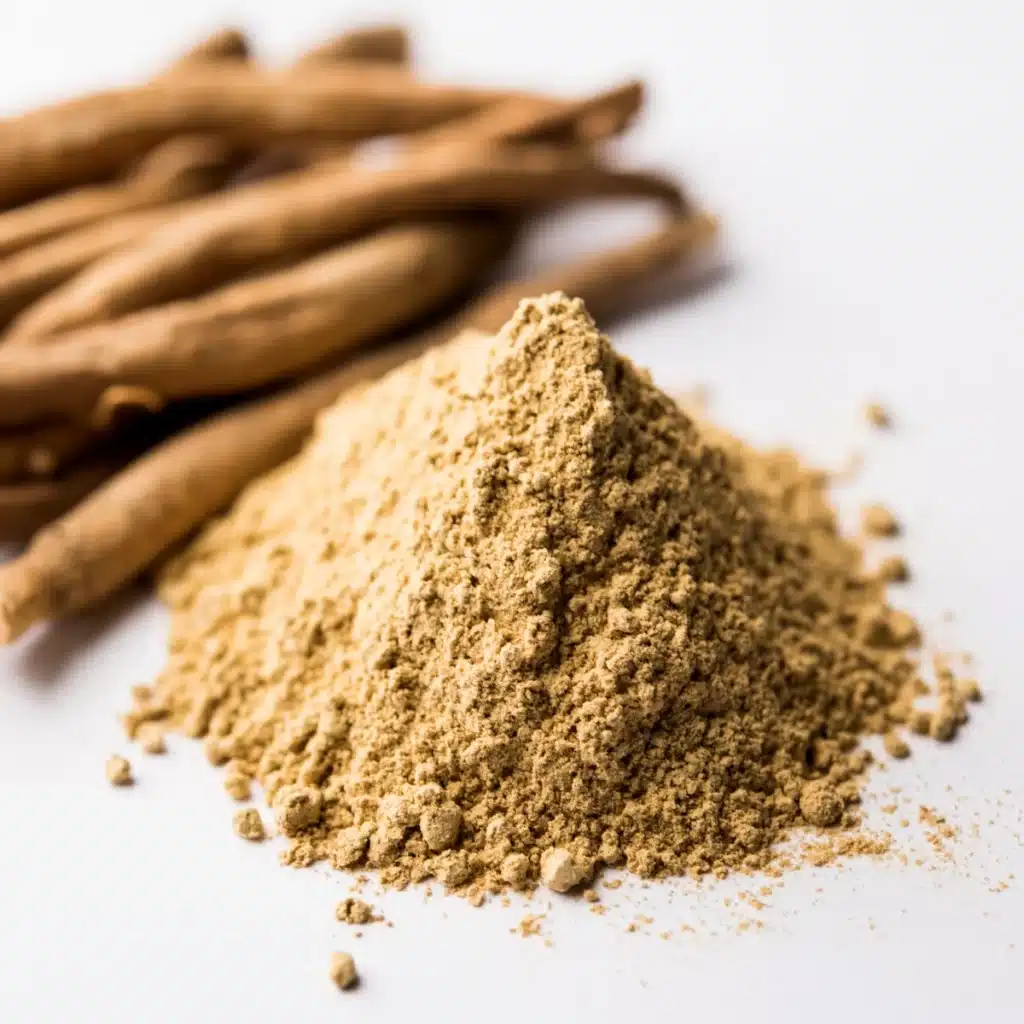
Ashwagandha is the common name for Withania somnifera, an evergreen shrub grown in parts of Asia, Africa and Europe. The name comes from Sanskrit and loosely means “smell of a horse,” a nod to the root’s earthy aroma. You may also see it called winter cherry or Indian ginseng, though it belongs to a different plant family than true ginseng.
The root has a long history in Ayurvedic tradition, where it is grouped with adaptogens, a traditional category of herbs associated with everyday stress. If you have explored functional mushrooms, you have already met the idea. The species name somnifera comes from the Latin for sleep, reflecting its traditional association with rest.
What the Research Says (and Doesn’t)
Ashwagandha has been studied in people, though the evidence is still limited. Most of it comes from small, short-term studies, usually six to twelve weeks long, and many were run in India using concentrated root extracts in capsules or tablets. Here is where that research points:
- Stress: Several small placebo-controlled trials reported lower self-reported stress scores with certain ashwagandha extracts. Some also tracked cortisol, a hormone tied to the body’s stress response, though study designs varied.
- Sleep: A handful of small studies reported modest sleep-related findings, several focusing on people who reported sleep difficulties.
What the research has yet to answer is just as useful to know. Long-term data beyond about three months is limited, and because studies used different extracts and amounts, there is no agreed-upon ideal form or serving. Results from a concentrated extract in a study also tell you about that extract, so a gummy’s value depends on what is actually in it.
Gummies vs. Capsules vs. Powder
All three formats deliver ashwagandha. The right one is the one that fits how you like to take supplements.
| Gummies | Capsules | Powder | |
|---|---|---|---|
| Taste | Fruit flavor masks the root’s bitterness | Tasteless | Earthy and bitter |
| Convenience | Chew anywhere, no water needed | Swallow with water | Mix into drinks or food |
| Sweetener | Contains sugar or an alternative sweetener | Usually none | None unless flavored |
| Amount per serving | Fixed per gummy, often smaller per piece | Fixed per capsule | Measured by scoop, flexible but less precise |
Gummies make the most sense if you are more likely to stick with something you enjoy. The format that suits your routine is the one worth considering.
When and How to Take Ashwagandha
Research has not settled on one ideal time of day. Some people take ashwagandha with breakfast as part of a morning routine; others save it for the evening, in keeping with its traditional link to rest. Reported side effects include drowsiness and mild stomach upset, so ask your doctor or pharmacist about timing.
Studies looked at daily use over several weeks; follow the serving size on your label. Research covers use for up to about three months, so plan to check in with yourself after that.
Talk with your doctor or pharmacist before trying ashwagandha if you:
- Are pregnant or breastfeeding
- Have a thyroid condition or take thyroid medication
- Take medication for blood sugar, blood pressure or sleep, or one that suppresses the immune system
- Have a history of liver concerns
What to Look for in an Ashwagandha Gummy
A good label answers your questions before you have to ask them. Start with which part of the plant is used. Most ashwagandha supplements use extract from the root, which is also what most studies tested; some blends combine root and leaf, which have different chemical makeups.
Next, look for standardization. Ashwagandha contains natural compounds called withanolides, and a label that lists a withanolide percentage is telling you the extract is made to a consistent strength from batch to batch.

Then run through the rest of the label:
- A clear amount per gummy: The milligrams of ashwagandha extract should be listed on their own, rather than hidden inside a proprietary blend.
- Batch lab results: Look for a batch number you can match to published lab results, so you can confirm what is in the bottle.
- The sweetener: Gummies need something to make them taste good. If you are watching sugar, read what sweetened with allulose means on a gummy label.
Ashwagandha Gummy Questions
How long does ashwagandha take to work?
Is ashwagandha the same as ginseng?
Can I take ashwagandha with other supplements or medications?
Finding Your Fit
Ashwagandha gummies turn a centuries-old root into something easy to fit into your day. Choose one that names its plant part, its extract amount and its batch testing, take it consistently, and check in with your doctor if any of the cautions above apply to you. If you are building a daily routine around functional ingredients, you can also explore our functional mushroom extracts.