Functional Mushrooms Are Going Mainstream: What’s Driving the Boom in 2026?
Last updated: August 2026
Functional mushrooms have officially moved beyond the niche wellness aisle.
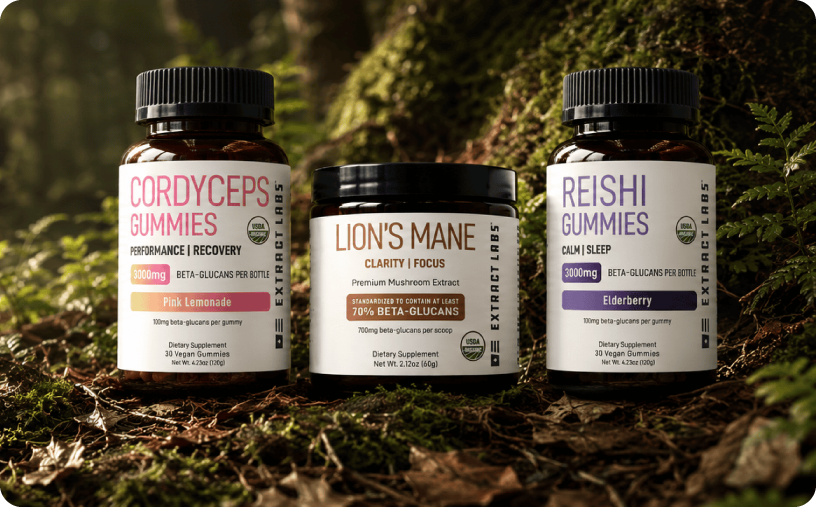
Lion’s Mane is showing up in morning routines. Reishi is becoming part of nighttime rituals. Cordyceps is finding its way into fitness and recovery routines. And functional mushrooms are now available in everything from gummies and powders to coffee and ready-to-drink beverages.
So, why are functional mushrooms suddenly everywhere?
The answer is bigger than one wellness trend. Consumers are paying closer attention to what they take, what an ingredient is supposed to do, and whether the product they’re buying actually contains meaningful amounts of its active compounds.
That shift is helping turn functional mushrooms into a much bigger part of the supplement industry in 2026.
What Are Functional Mushrooms?
Functional mushrooms are mushrooms valued for naturally occurring compounds that are being studied for their potential roles in health and wellness.
Some of the best-known varieties include Lion’s Mane, Reishi, and Cordyceps. Unlike psychedelic mushrooms, these functional mushrooms do not contain psilocybin and don’t produce a psychedelic experience.
They also aren’t quite the same thing as the mushrooms you toss into a stir-fry. Functional mushroom supplements are typically processed into extracts that can be used in powders, capsules, gummies, beverages, and other wellness products.
One group of compounds you’ll hear about frequently is beta-glucans. These naturally occurring polysaccharides are found in fungal cell walls and have become an important way of evaluating functional mushroom extracts.
Why Are Functional Mushrooms So Popular in 2026?
Functional mushrooms aren’t exactly new. What’s new is how they’re being used.
According to WholeFoods Magazine, functional mushrooms have developed into one of the faster-growing categories within the dietary supplement industry. What was once dismissed as another wellness trend has become a much more established part of the market.
Several changes are driving that growth.
1. Consumers Are Shopping for a Purpose
Supplement shopping has become increasingly goal-oriented.
Instead of simply looking for a multivitamin or a general wellness supplement, people are looking for products that fit specific parts of their routines.
That makes functional mushrooms particularly interesting because different species have developed distinct identities in the wellness market.
Lion’s Mane is commonly associated with focus and cognition.
Cordyceps is commonly associated with energy, performance, and recovery.
Reishi is commonly associated with calm, stress support, and nighttime wellness routines.
That makes it easier for someone new to functional mushrooms to understand where a particular mushroom might fit into their day.
2. Lion’s Mane Has Helped Bring Mushrooms Into the Mainstream
If there’s one mushroom responsible for introducing many consumers to this category, it’s probably Lion’s Mane.
Its unusual appearance may have helped it gain attention on social media, but consumer interest goes much deeper than that. Lion’s Mane has become especially visible within the broader conversation around focus, cognition, productivity, and nootropics.
That overlap matters.
Functional mushrooms are no longer competing only with other mushroom products. They’re becoming part of larger conversations about morning routines, productivity, fitness, sleep, stress, and everyday wellness.
Research into Lion’s Mane and its naturally occurring compounds is also continuing, although the science surrounding functional mushrooms is still developing. Consumers should be cautious of products promising dramatic or guaranteed results.
3. Gummies Are Making Functional Mushrooms Easier to Try
For years, mushroom supplements were most commonly associated with powders, tinctures, and capsules.
That’s changing.
Gummies give consumers a familiar way to add functional mushrooms to an existing routine without measuring powder or preparing another drink. The broader supplement industry has also invested heavily in gummy formats as consumers increasingly look for supplements that are convenient and enjoyable to take.
That doesn’t mean gummies are automatically better than powders.
The better question is: What’s actually inside the gummy?
A convenient format doesn’t matter much if the manufacturer isn’t transparent about the mushroom extract, active compounds, or testing.
4. Mushroom Coffee Opened the Door
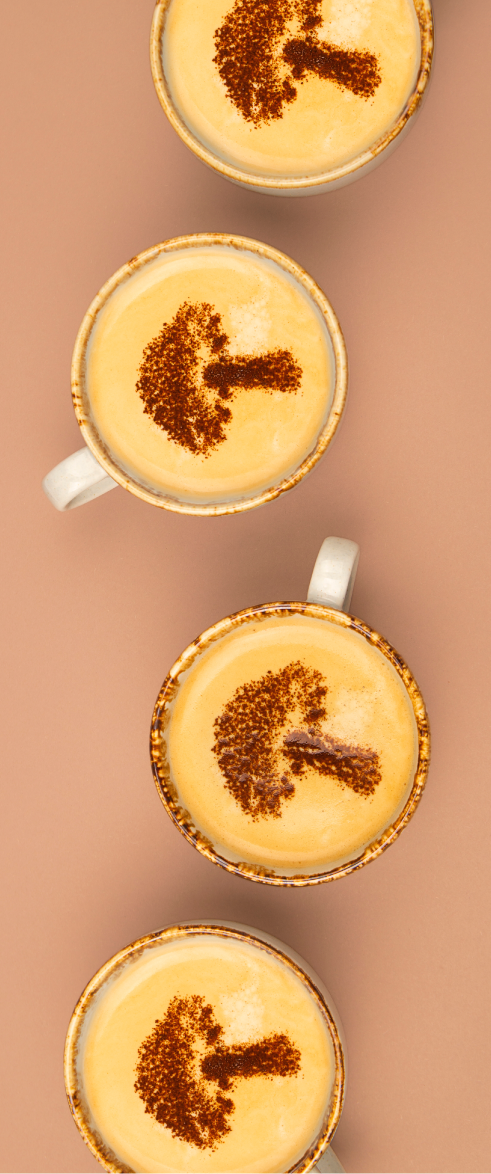
Another reason functional mushrooms feel suddenly ubiquitous is mushroom coffee.
Coffee gave the category an easy entry point. Instead of asking consumers to create an entirely new wellness habit, brands could add mushroom extracts to something millions of people already consume every morning.
The idea quickly expanded beyond coffee.
Today, consumers can find functional mushrooms in gummies, drink mixes, powders, chocolates, beverages, and other products.
That format innovation has made the category much more approachable—even for someone who would never describe themselves as a “mushroom person.”
5. Consumers Are Asking Better Questions About Mushroom Quality
As functional mushrooms become more popular, shoppers are also becoming more educated.
And that’s important because two mushroom supplements with “Lion’s Mane” written across the front aren’t necessarily the same product.
One of the biggest conversations in the industry centers on fruiting body versus mycelium.
The fruiting body is the part most people recognize as the mushroom. Mycelium is the underground network of fungal threads from which the mushroom grows.
Some mushroom supplements use mycelium grown on grain, which can leave significant amounts of grain material in the finished ingredient.
That’s why simply looking at the number of milligrams on a Supplement Facts panel doesn’t tell you everything about quality.
Consumers are increasingly looking deeper.
6. Beta-Glucans Are Becoming an Important Part of the Conversation
If you’ve started researching functional mushroom supplements, you’ve probably encountered the term beta-glucans.
Beta-glucans are naturally occurring compounds found in mushrooms, and their concentration can provide useful information when comparing mushroom extracts.
This is where supplement labels can get confusing.
A product may advertise a large amount of “mushroom powder” without telling you how much beta-glucan the ingredient actually provides. Another may disclose the beta-glucan concentration and provide testing to verify it.
Those aren’t necessarily equivalent products.
At Extract Labs, our functional mushroom products use 100% organic fruiting body extracts with no mycelium or grain fillers and are standardized to a minimum of 70% beta-glucans. Each batch is also third-party tested, with Certificates of Analysis available so consumers can see what’s actually in the product.
As the mushroom industry matures, that kind of transparency may become increasingly important to shoppers.
7. The Supplement Industry Is Moving Toward Greater Transparency
Functional mushrooms are entering the mainstream at the same time consumers are becoming more skeptical of wellness marketing.
That’s a healthy development.
A package can look impressive and still tell you very little about what’s actually inside.
When you’re comparing functional mushroom supplements, look beyond the front of the label and ask:
- Does the company identify the mushroom species?
- Does it disclose whether it uses fruiting body, mycelium, or both?
- Does it disclose beta-glucan content?
- Is the product third-party tested?
- Can you access a Certificate of Analysis?
- Are the claims realistic rather than promising a cure or instant transformation?
The FDA requires dietary supplement structure/function claims to be truthful and not misleading, and supplement products making those claims must carry the required disclaimer that the product isn’t intended to diagnose, treat, cure, or prevent disease.
In other words, dramatic health promises should make you more skeptical, not more interested.
Which Functional Mushroom Is Right for You?
There’s no single “best” functional mushroom. The better choice depends on what you’re looking for and how you want the product to fit into your routine.
| Functional Mushroom | Common Wellness Focus | When It May Fit Into a Routine |
| Lion’s Mane | Focus and cognition | Morning or daytime |
| Cordyceps | Energy, stamina and performance | Morning or before activity |
| Reishi | Calm, stress and relaxation | Evening |
You also don’t need to completely redesign your routine.
Someone who already drinks coffee or tea may prefer a mushroom extract powder they can mix into a beverage. Someone who prioritizes convenience may prefer a pre-measured gummy.
The format matters less than finding a high-quality product you’ll actually use consistently.
Are Functional Mushrooms Just Another Wellness Trend?
Probably not—but that doesn’t mean every claim surrounding them deserves to be believed.
That’s an important distinction.
The category’s growth, expanding product formats, ongoing research, and increasing presence across the supplement industry suggest functional mushrooms have moved beyond being a short-lived novelty.
At the same time, increased popularity usually brings increased marketing.
Consumers should expect to see more functional mushroom products in the coming years—and should also become more selective about which ones they trust.
The brands that stand out won’t necessarily be the ones making the biggest promises. They’ll be the ones that can clearly explain what’s in their products and back that information with testing.
What Should You Look for When Buying Functional Mushrooms?
You don’t need to become a mushroom expert before buying your first supplement.
Start with a few simple questions:
- What mushroom am I actually buying?
Look for a clearly identified species rather than vague wording like “mushroom complex.” - Is it made from fruiting body or mycelium?
The manufacturer should tell you. - How much beta-glucan does it contain?
Look for a disclosed amount or percentage rather than relying only on total mushroom milligrams. - Has it been independently tested?
Third-party testing gives you another layer of information about what’s actually in the product. - Can I see the results?
A company that publishes batch-specific Certificates of Analysis makes it much easier to verify its claims.
The functional mushroom boom has created more choices than ever. Learning what to look for can help you separate meaningful product information from good marketing.
The Future of Functional Mushrooms
The most interesting thing about functional mushrooms in 2026 may not be how quickly they’re growing.
It’s how quickly they’re becoming normal.
Lion’s Mane doesn’t seem nearly as unusual next to someone’s morning coffee as it did a few years ago. Reishi is appearing alongside other nighttime wellness products. Cordyceps is entering conversations about exercise and recovery.
And consumers are beginning to recognize the names.
That’s usually what happens when a niche category starts becoming a mainstream one.
For Extract Labs, functional mushrooms also represent a natural extension of something we’ve focused on throughout our history: making plant- and fungi-based wellness products with an emphasis on extraction, testing, transparency, and knowing what’s actually inside the bottle.
As functional mushrooms continue moving into the mainstream, consumers shouldn’t have to choose between innovation and transparency.
They should expect both.
Functional Mushrooms: Frequently Asked Questions
What are functional mushrooms?
Are functional mushrooms psychedelic?
Why are functional mushrooms so popular right now?
What are beta-glucans in mushrooms?
What’s the difference between mushroom fruiting body and mycelium?
Are mushroom gummies as good as mushroom powders?
What are the most popular functional mushrooms?
This article is for educational purposes only and is not intended to diagnose, treat, cure, or prevent any disease. Talk with a qualified healthcare professional before adding a new dietary supplement to your routine.