For many, CBD has become a daily staple — a plant-based compound found in hemp that’s now infused into oils, gummies, topicals, and more. People turn to it for wellness support, relaxation, and balance. But when it comes to maternal stages — whether you’re expecting, recovering, or feeding a little one — the conversation gets more complicated.
Curiosity around CBD in these life phases is growing, yet expert guidance remains cautious. Here’s what you need to know before reaching for CBD during maternal wellness.
The FDA’s Position: Not Recommended
Let’s start with the clearest fact: the U.S. Food and Drug Administration (FDA) does not recommend CBD use during maternal stages. Their position comes from one key issue — a lack of research.
Unlike vitamins or minerals that have decades of clinical data, CBD is still relatively new on the wellness scene. While studies in adults continue to expand, there is no reliable evidence about its safety for developing babies or feeding infants. Out of an abundance of caution, health authorities advise steering clear.
The Research Gap
So, why exactly is CBD use considered uncertain in these stages?
- Limited clinical trials → Most CBD studies involve adults, not those in maternal conditions.
- Possible transfer → Because CBD is fat-soluble, it may cross through during maternal stages.
- Unknown outcomes → Researchers don’t yet know how CBD could affect infant growth, development, or long-term health.
In short: scientists can’t say whether CBD is safe or harmful in these contexts — which is why experts err on the side of “not recommended.”
Safe Alternatives to Support Maternal Wellness
Even if CBD isn’t the right fit during these stages, there are many other safe and supportive options for wellness. Here are a few approaches often recommended by health practitioners:
1. Gentle Movement
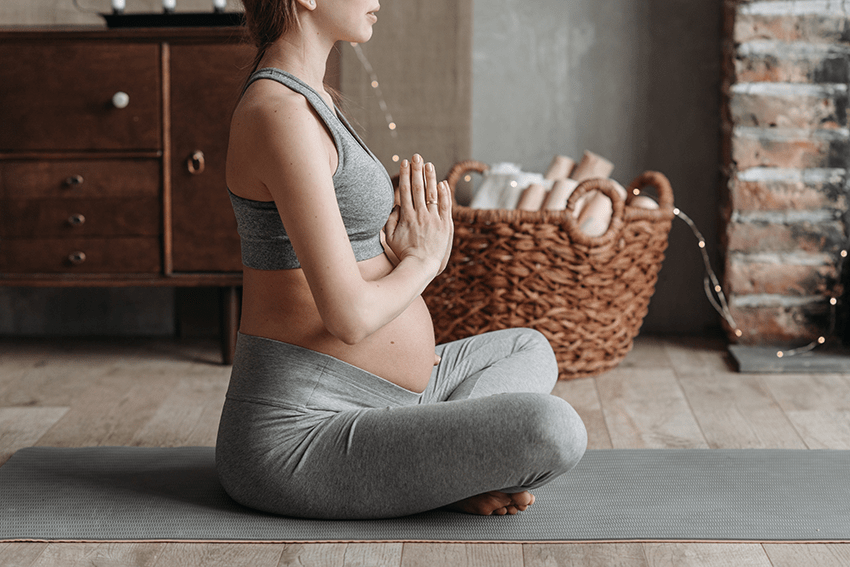
Walking, stretching, swimming, or even low-impact yoga can help support circulation and reduce stress. Dancing — even in your living room — can also be a fun way to stay active and connected to your body.
2. Balanced Nutrition
Focusing on whole foods rich in protein, leafy greens, and healthy fats helps fuel both parent and baby. Staying hydrated is equally important.
3. Mind-Body Practices
Breathing exercises, meditation, or mindfulness practices are simple yet effective ways to ease tension and promote calm.
4. Professional Bodywork
Massage from a licensed therapist trained in maternal care can provide relief and relaxation.
5. Support Networks
Joining maternal wellness groups — whether in person or online — offers emotional support and shared resources for navigating this chapter.
These options may not replace CBD, but they do provide pathways to nurture your well-being while keeping safety top of mind.
What to Ask Your Healthcare Provider
If you’re curious about CBD but navigating maternal stages, the best move is an open conversation with your healthcare provider. Here are some starter questions:
- What supplements or products should I avoid during this stage?
- If I’ve used CBD in the past, should I discontinue completely while expecting or feeding?
- How do I evaluate wellness alternatives that are safe?
- Are there signs or symptoms I should watch for if I’ve already used CBD?
Bringing these questions to a trusted doctor, midwife, or nurse ensures you’re making informed choices based on your unique health situation.
Looking Ahead: The Future of Research
The CBD industry continues to grow, and with it, so does the push for better research. Universities and labs worldwide are beginning to study CBD in new populations, including maternal wellness. While it may take years before science has clear answers, progress is being made.
Until then, it’s best to follow the FDA’s current stance: avoid CBD during sensitive life stages like expecting and feeding.
The Bottom Line
CBD is celebrated for its wellness potential, but maternal health is an area where the science isn’t ready to keep up with curiosity. Because of unanswered questions — and the possibility of transfer to developing babies — experts urge caution.
The safest approach? Explore other wellness practices, talk openly with your healthcare provider, and revisit CBD options once the maternal stage has passed. Your wellness journey is long, and there will be plenty of time to explore CBD down the road.
Disclaimer: These statements have not been evaluated by the Food and Drug Administration. CBD products are not intended to diagnose, treat, cure, or prevent any disease. This content is for educational purposes only and should not replace professional medical advice.