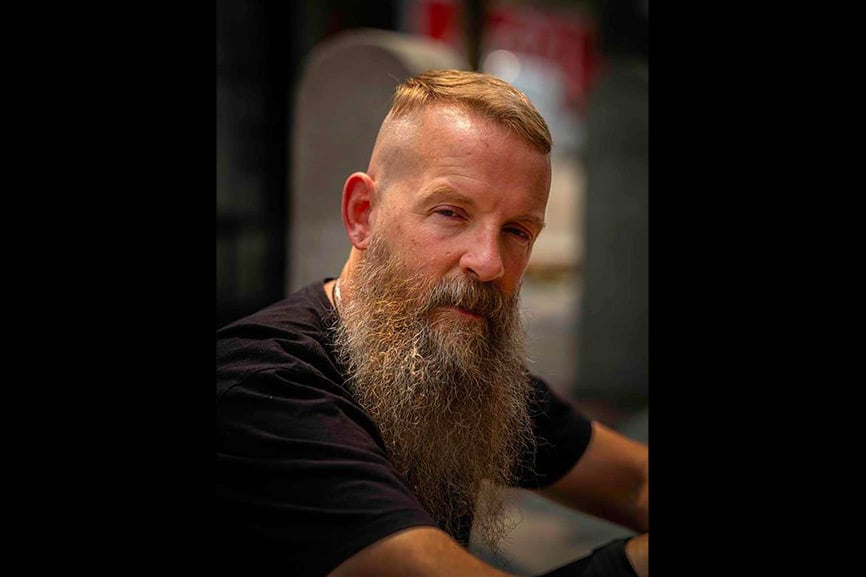
On a rainy afternoon in New Hampshire, Andrew parks between outreach stops and checks his notepad—who asked for socks, who needed a ride to clinic hours, who might be ready to talk about next steps today. He’s a community health coordinator who prefers boots on the ground: backpack on, steady pace, eye contact with the people he serves.
Years ago, Andrew helped launch a volunteer harm-reduction effort in Manchester that trades used supplies for clean ones, offers basics like hygiene kits and warm layers, and connects people to medical and social services. It’s unglamorous work that keeps neighborhoods safer and meets people exactly where they are.
When he’s off the clock, Andrew is a cyclist, a guitarist, and a husband. He talks about long rides the way some people talk about meditation—rhythm, breath, road noise. He also describes himself as being in long-term recovery, a choice that shapes how he structures his days: early mornings, clear head, consistent routines.
“Showing up is the point,” he says. “If I can be steady, I can be useful.”
When Health Gets Complicated
That commitment was tested when Andrew faced a tick-related health challenge that introduced stretches of low energy and whole-body discomfort that didn’t look the same week to week. He tried to keep life small and steady—better sleep habits, improved nutrition, gentle movement, sunlight when he could grab it.
Eventually, he added CBD as a low-key support inside those habits. “CBD didn’t flip a switch,” he says. “It felt more like a nudge in my personal experience—enough ease that I could get moving, get outside, and do my day.”
Why Andrew Explored CBD
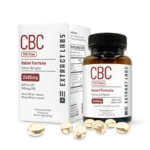
Andrew turned to CBD as one tool among many in his self-care routine. He preferred products he could measure precisely and keep discreet—typically oil tinctures and capsules. “Portable and subtle,” he says.
On harder days, he leaned on simple rituals: warm tea, a slow stretch, sunlight when he could get it. “I stopped chasing big fixes. Small and consistent works for me.”
Most importantly, he treated CBD as one part of a routine, not the routine itself. “It’s there to support the habits that actually change my day,” he says.
The Work That Keeps Him Centered
Andrew’s happiest in motion—boots on the ground, making eye contact, remembering names. “Showing up matters,” he says. “So does being clear-headed. The folks I meet deserve that.”
He won’t use anything that muddies that clarity. “CBD fits because it’s non-intoxicating and low drama,” he says of his personal experience. “I can keep my day simple.”
What Worked for Andrew
- Keep it tiny. He started small and gave each change time before adjusting.
- Pick one time of day. For him, either after breakfast or as part of an evening wind-down.
- One product at a time. No mix-and-match experiments.
- Pair it with basics. Hydration, balanced meals, short walks, and screen-down time before bed.
- Stay accountable. He kept notes and checked in with his clinician.
“It wasn’t about chasing a feeling,” Andrew says. “It was about showing up for my life.“
What He Avoids
- Overcomplicating it. “If it needs a spreadsheet, I’ll never stick with it.”
- Anything that looks like a fix-all. “My routine is the fix. CBD is just one small lever inside it.”
- Forms that don’t fit his lifestyle. He prefers no-fragrance, low-profile options he can tuck in a pocket.
A Note on Cost and Expectations
Andrew is candid: not every product fit his budget, and not every week felt the same. “I try to be realistic,” he says. “Consistency beats intensity. I don’t need perfect days—just better ones.”
His Message to the People He Serves
“Someone cares about you,” he tells folks on his route, offering socks or a snack or just a moment to pause. “When you’re ready to talk next steps, I’m here.”
It’s the same grace he learned to offer himself: go smaller, make it simpler, keep showing up.
If You’re Considering CBD for Your Own Routine
- Talk with your clinician first, especially if you take daily prescriptions or have a history of liver concerns.
- Start low, go slow. Give a single product at a single time of day at least a week before changing anything.
- Choose quality. Look for third-party lab tests (COA), clear labeling, and simple ingredient lists.
- Keep notes. Date, amount, time, how you felt later. It makes follow-ups easier.
- If you’re pregnant or nursing, the FDA advises against using CBD.
A Gentle Reminder About Stories and Claims
This is one person’s experience shared in his own words. Everyone’s routine—and response—can be different. CBD products are not intended to diagnose, treat, cure, or prevent any disease. Think of CBD as a possible support inside a broader self-care plan, not a stand-alone solution.
These statements have not been evaluated by the Food and Drug Administration. This content is for educational purposes only and is not a substitute for professional medical advice, diagnosis, or treatment. CBD can interact with medications. Always consult your healthcare provider before starting any new supplement, especially if you have existing health conditions or take prescription medications.